
How to Choose Solar Repair Services Effectively
Choosing the right solar repair service can be a daunting task, especially with the increasing number of companies offering similar services. With solar energy becoming a popular choice for homeowners and businesses alike, ensuring that your solar system is functioning optimally is crucial. In this blog post, we will explore effective strategies for selecting the best solar repair services, ensuring you make an informed decision that meets your needs.
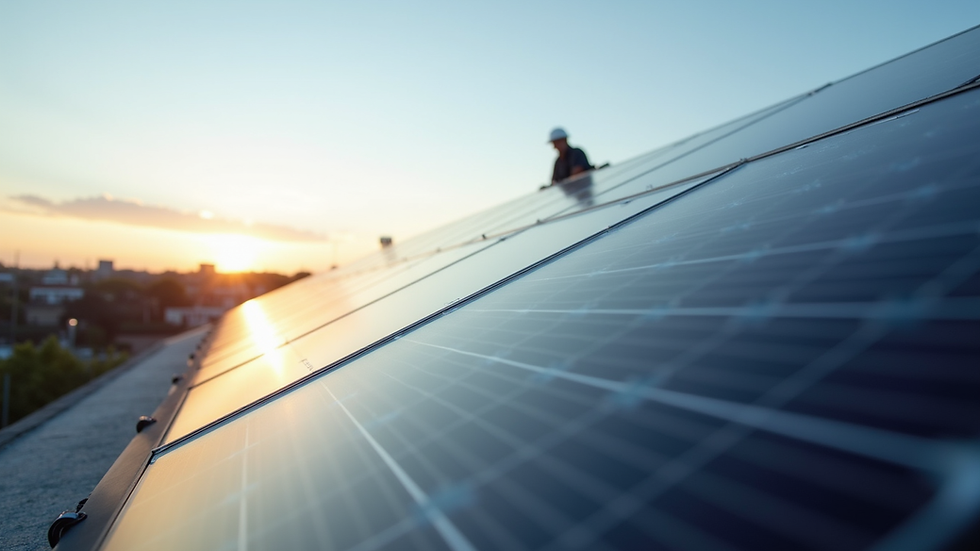
Understanding Your Solar System
Before you can effectively choose a repair service, it’s essential to understand your solar system's components and how they work. A typical solar energy system consists of:
Solar Panels: These convert sunlight into electricity.
Inverter: This device converts the direct current (DC) produced by the panels into alternating current (AC) for home use.
Battery Storage: Optional, but useful for storing excess energy for later use.
Monitoring System: Tracks the performance of your solar system.
Understanding these components will help you communicate effectively with potential repair services and identify the specific issues you may be facing.
Assessing Your Repair Needs
Identifying the specific problems with your solar system is the first step in finding the right repair service. Common issues include:
Decreased Energy Production: If your system is not generating as much energy as it used to, it may indicate a problem with the panels or inverter.
Physical Damage: Look for any visible damage to the panels or wiring.
Inverter Issues: If the inverter is malfunctioning, it can prevent your system from operating efficiently.
By pinpointing the issues, you can seek out services that specialize in those areas.
Researching Solar Repair Services
Once you have a clear understanding of your needs, it’s time to research potential solar repair services. Here are some effective strategies:
Online Reviews and Ratings
Start by checking online reviews on platforms like Google, Yelp, or specialized solar forums. Look for:
Overall Ratings: A high rating is a good sign of reliability.
Customer Feedback: Read through comments to gauge customer satisfaction and service quality.
Recommendations
Ask friends, family, or neighbors who have solar systems for recommendations. Personal experiences can provide valuable insights into the quality of service.
Certifications and Qualifications
Ensure that the repair service has the necessary certifications. Look for:
NABCEP Certification: The North American Board of Certified Energy Practitioners (NABCEP) certification indicates a high level of expertise.
Insurance: Verify that the company has liability insurance to protect you in case of accidents during repairs.
Comparing Quotes
Once you have a shortlist of potential repair services, it’s time to compare quotes. Here’s how to do it effectively:
Request Detailed Estimates
Ask for detailed estimates that outline:
Labor Costs: Understand how much you will be charged for labor.
Parts and Materials: Ensure the quote includes the cost of any parts that need to be replaced.
Warranty Information: Inquire about warranties on both labor and parts.
Evaluate Value, Not Just Price
While it’s tempting to go with the cheapest option, consider the overall value. A slightly higher-priced service may offer better quality, warranties, or customer support.
Checking References
Before making a final decision, ask the repair service for references. Contact previous customers to ask about their experiences, focusing on:
Timeliness: Did the service complete the repairs on time?
Quality of Work: Were the repairs effective and long-lasting?
Customer Service: How did the company handle any issues that arose?
Understanding the Repair Process
A reputable solar repair service should be transparent about their repair process. Here’s what to expect:
Initial Assessment
The service should conduct a thorough assessment of your solar system to identify issues. This may involve:
Visual Inspections: Checking for physical damage or wear.
Performance Testing: Using monitoring tools to evaluate energy production.
Repair Plan
After the assessment, the service should provide a clear repair plan that includes:
Timeline: How long the repairs will take.
Cost Breakdown: A detailed estimate of costs involved.
Follow-Up Support
Inquire about follow-up support. A good repair service should offer:
Post-Repair Monitoring: Checking the system’s performance after repairs.
Customer Support: Availability for any questions or concerns after the service.
Evaluating Customer Service
Customer service is a critical aspect of any repair service. Pay attention to:
Responsiveness: How quickly do they respond to inquiries?
Professionalism: Are they courteous and respectful?
Communication: Do they explain things clearly and keep you informed throughout the process?
Making Your Decision
After gathering all the necessary information, it’s time to make your decision. Consider the following:
Trust Your Instincts: Choose a service that you feel comfortable with and confident in.
Long-Term Relationship: Consider whether this service could be a long-term partner for future maintenance and repairs.
Conclusion
Choosing the right solar repair service is crucial for maintaining the efficiency and longevity of your solar system. By understanding your system, researching potential services, comparing quotes, and evaluating customer service, you can make an informed decision. Remember, investing time in selecting the right service can save you money and hassle in the long run. Take the next step by reaching out to potential services today and ensure your solar system is in good hands.

Comments