
Maximizing Your Solar Energy System's Performance
Solar energy systems are becoming increasingly popular as more homeowners and businesses seek sustainable energy solutions. However, simply installing solar panels is not enough to ensure optimal performance. To truly maximize the benefits of your solar energy system, you need to understand how to maintain and enhance its efficiency. This guide will provide you with practical tips and strategies to get the most out of your solar energy investment.
Understanding Solar Energy Systems
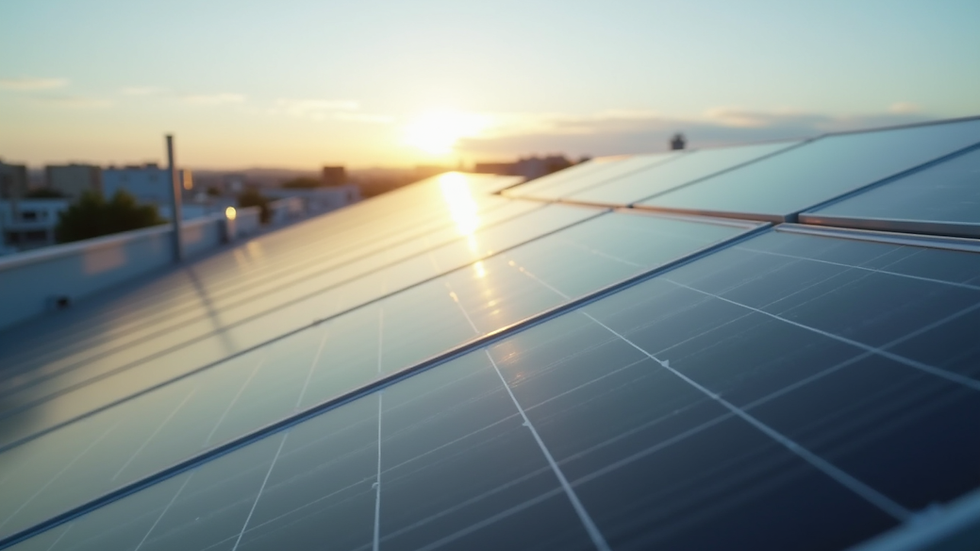
Before diving into performance optimization, it’s essential to understand the components of a solar energy system. A typical system consists of:
Solar Panels: These convert sunlight into electricity.
Inverter: This device converts the direct current (DC) produced by the panels into alternating current (AC) for use in your home.
Battery Storage: Optional but beneficial, batteries store excess energy for use when sunlight is not available.
Monitoring System: This tracks the performance of your solar energy system.
How Solar Energy Works
Solar panels work by utilizing photovoltaic cells that absorb sunlight and generate electricity. The efficiency of this process can be influenced by several factors, including:
Sunlight Exposure: The amount of direct sunlight your panels receive.
Temperature: High temperatures can reduce the efficiency of solar panels.
Angle and Orientation: The tilt and direction of your panels can significantly impact their performance.
Regular Maintenance is Key
To ensure your solar energy system operates at peak efficiency, regular maintenance is crucial. Here are some maintenance tips:
Clean Your Solar Panels
Dirt, dust, and debris can accumulate on solar panels, blocking sunlight and reducing efficiency. Regular cleaning can help maintain optimal performance. Here’s how to do it:
Frequency: Clean your panels at least twice a year, or more often if you live in a dusty area.
Method: Use a soft brush or sponge with mild soap and water. Avoid harsh chemicals that could damage the panels.
Inspect for Damage
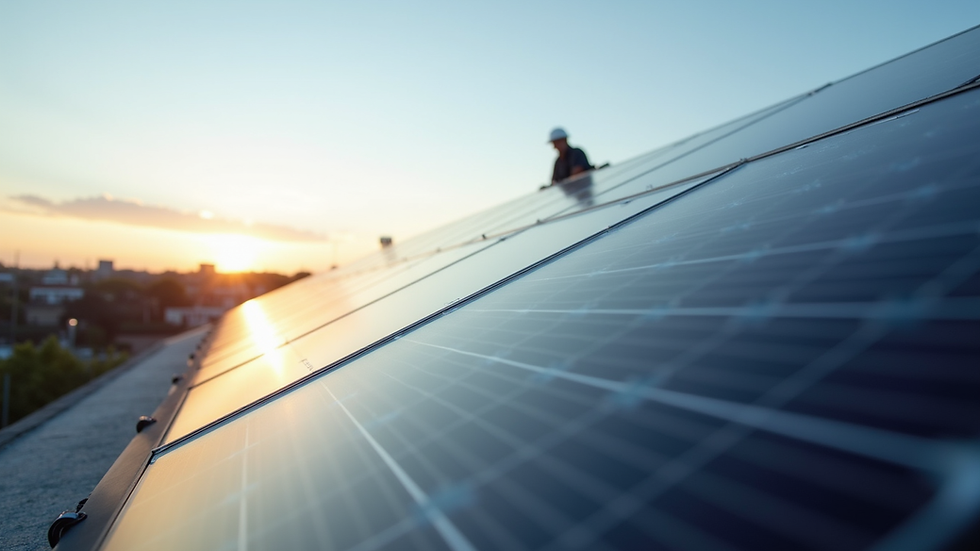
Regularly inspect your solar panels for any signs of damage, such as cracks or loose connections. If you notice any issues, contact a professional for repairs.
Monitor Performance
Utilize your monitoring system to keep track of your solar energy production. Look for any significant drops in performance, which could indicate a problem that needs addressing.
Optimize Panel Placement
The placement of your solar panels can greatly affect their efficiency. Here are some factors to consider:
Angle and Orientation
Optimal Angle: The ideal angle for solar panels varies by location but is typically between 30 to 45 degrees.
Direction: In the Northern Hemisphere, panels should face south to capture the most sunlight. In the Southern Hemisphere, they should face north.
Avoiding Shade
Ensure that your solar panels are not shaded by trees, buildings, or other structures. Even partial shading can significantly reduce energy production.
Invest in Energy Storage
Adding a battery storage system to your solar energy setup can enhance performance and provide additional benefits:
Energy Independence: Store excess energy generated during the day for use at night or during cloudy days.
Cost Savings: Reduce reliance on the grid and lower electricity bills.
Utilize Smart Technology
Incorporating smart technology can help you manage and optimize your solar energy system more effectively:
Smart Inverters
These devices can adjust the output of your solar panels based on real-time conditions, maximizing energy production.
Energy Management Systems
These systems allow you to monitor and control your energy usage, helping you make informed decisions about when to use energy and when to store it.
Take Advantage of Incentives
Many governments offer incentives for solar energy systems, which can help offset installation and maintenance costs. Research available tax credits, rebates, and grants in your area to maximize your investment.
Educate Yourself and Stay Informed
Staying informed about advancements in solar technology and best practices can help you make the most of your solar energy system. Consider joining local solar energy groups or online forums to share experiences and learn from others.
Conclusion
Maximizing your solar energy system's performance involves regular maintenance, optimal placement, and the use of smart technology. By taking these steps, you can enhance the efficiency of your solar panels, reduce energy costs, and contribute to a more sustainable future. Start implementing these strategies today and enjoy the benefits of a well-optimized solar energy system.

Comments